How do you Shine Hope?
We’re asking you because we need you.
Every day, people find ways to keep going.
A habit. A mindset. An action. A connection.
Those strategies matter.
And right now, they’re scattered, invisible, and not being shared.
We’re building the world’s first global Hope infrastructure —
and it only works if they are brought together.
Share how Hope is built. Help others do the same.
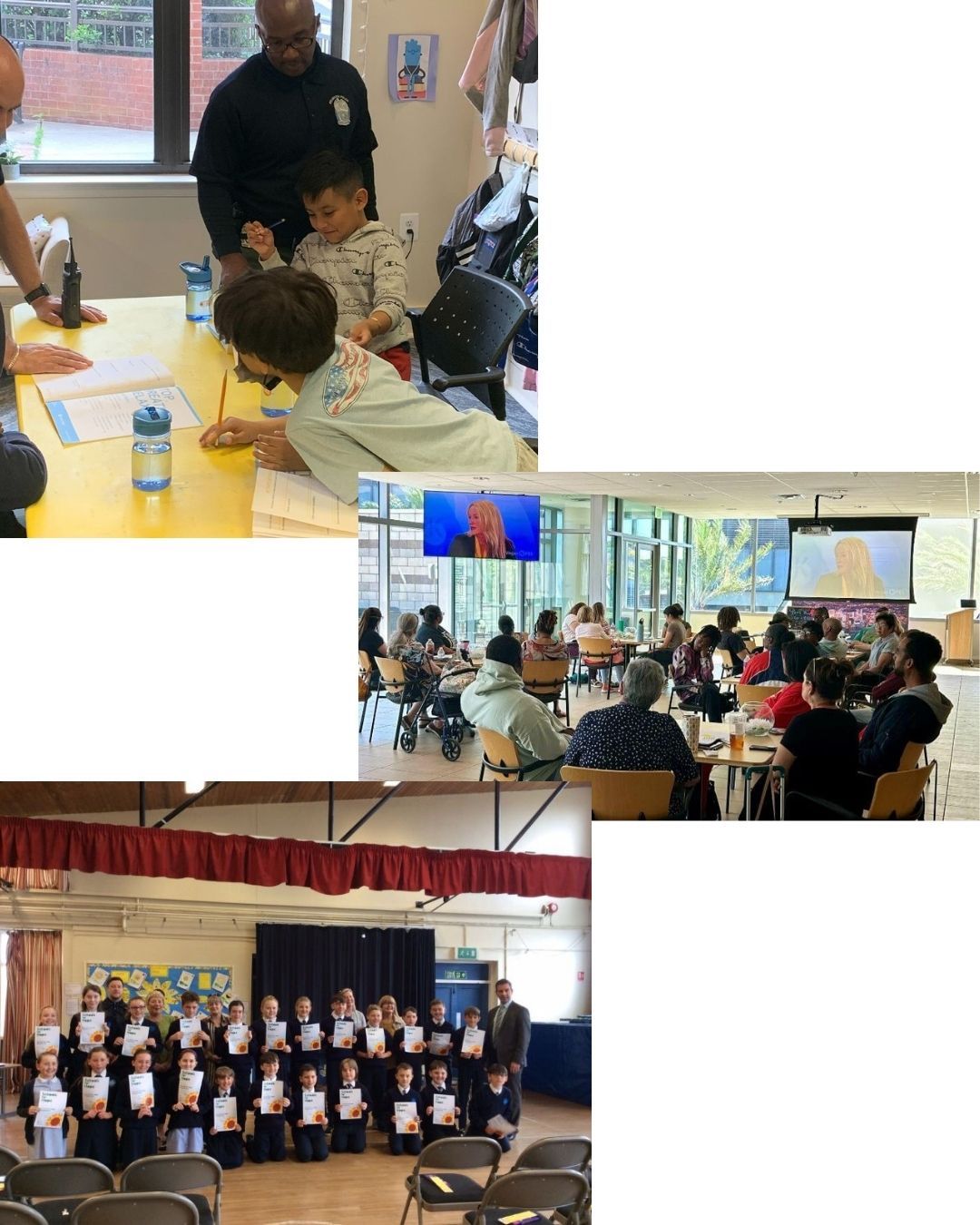
Hope is not a soft skill
Hope is one of the most important human capabilities.
In science, Hope is defined as the belief the future can be better than today, and that I/we have the power to make it so.
That belief becomes real when positive feelings and inspired actions are accessible at the same time.
When they are not, Hope weakens — regardless of intention.
Hope predicts outcomes across life.
That is why it matters.

When Hope drops
There are moments when emotional despair increases and action feels out of reach. That is hopelessness.
It is human.
It is temporary.
And it is easier to navigate when people know what helps.
That knowledge already exists.
It lives in lived experience.
How Hope is built intentionally
Hope does not improve accidentally. It improves through specific, repeatable skills.
The SHINE Hope Framework® explains how Hope is built by working with the brain and nervous system — not against them.

Stress Skills
Identifying and proactively managing the stress response.
Chronic stress narrows thinking and erodes Hope over time.
Stress Skills help recognize activation early and respond before stress becomes overwhelm, shutdown, or impulsive behavior.

Happiness Habits
Getting into the upstairs brain in healthy, sustainable ways.
These habits activate perspective, creativity, and problem-solving.
They restore cognitive flexibility without avoidance or numbing.

Inspired Actions
Restoring agency through meaningful forward movement.
Hope depends on the belief that actions matter.
Small, intentional actions rebuild momentum and counter helplessness.

Nourishing Networks
Building relationships that strengthen Hope rather than drain it.
Humans regulate Hope socially.
Strong networks buffer against loneliness, despair, and isolation.

Eliminating Challenges
Identifying and reducing negative thinking patterns that quietly erode Hope.
Rumination, worry, internalizing failure, negative bias, trying to control what is outside our control, and attaching rigidly to outcomes all undermine Hope over time.
Removing these barriers allows effort to lead to progress.
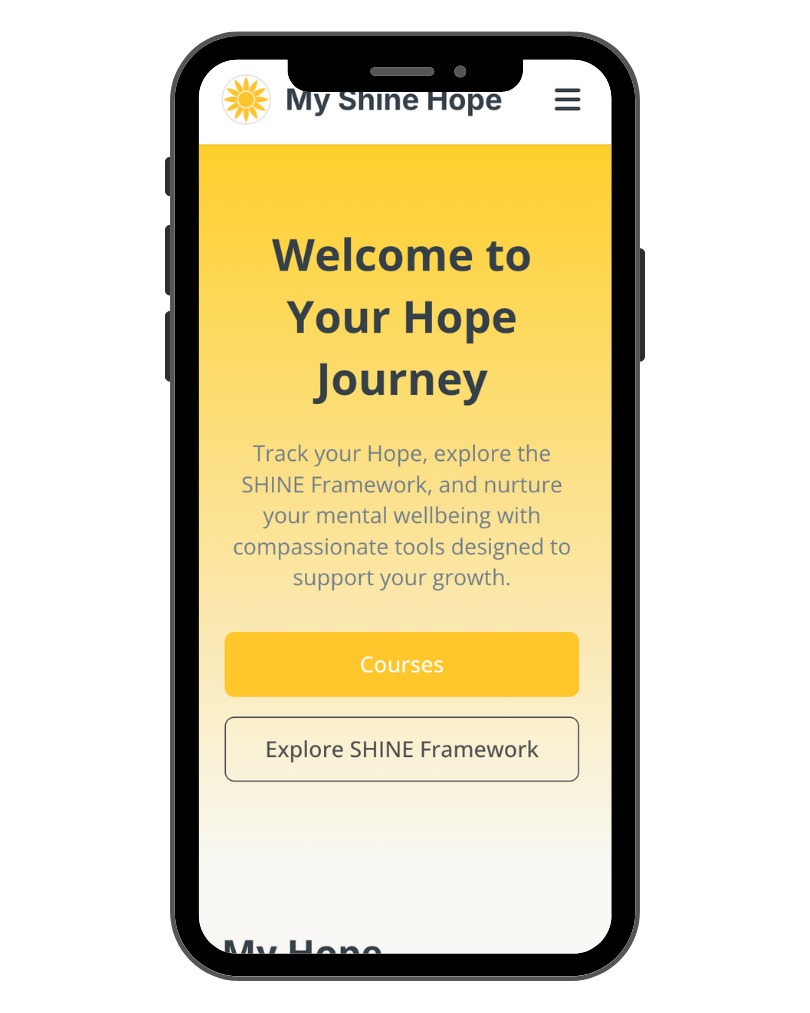
This is a global build
Hope does not scale through experts alone.
It scales through shared knowledge.
Inside the app, people contribute:
-
- stress skills that work
- happiness habits that last
- actions that restore momentum
- networks that sustain Hope
- ways they remove barriers to belief
Different lives. Shared intelligence.
A shared moment
Each year on July 12, people around the world recognize the International Day of Hope — a reminder that Hope can be built intentionally.
The app is where that work lives year-round.